What Haircut Did MLK Have? (Introduction)
I remember the first time I noticed it. While watching an old black-and-white speech by Martin Luther King Jr., something stood out. Not just his words. Not just his calm voice. It was his appearance. Clean. Simple. Consistent. That small detail made me pause and wonder, what haircut did MLK have, and why did he never seem to change it?
This question might sound small at first, but it isn’t. People search for what haircut did MLK have because his look became part of his public identity. In every march, every speech, and every historic photo, his hairstyle stayed the same. It was neat, short, and professional. No trends. No experiments. Just a steady, respectful look that matched the seriousness of his message.
In this article, we’ll break down what haircut Martin Luther King Jr. had, how it fit the time he lived in, and why it still gets attention today. We’ll look at history, culture, grooming standards, and even how you could ask your barber for a similar cut today. Everything will be explained in clear and simple words, without fluff.
By the end, you won’t just know what haircut did MLK have. You’ll understand why it mattered.
Read Also : diamond shape face hairstyle for Man
What Haircut Did MLK Have?
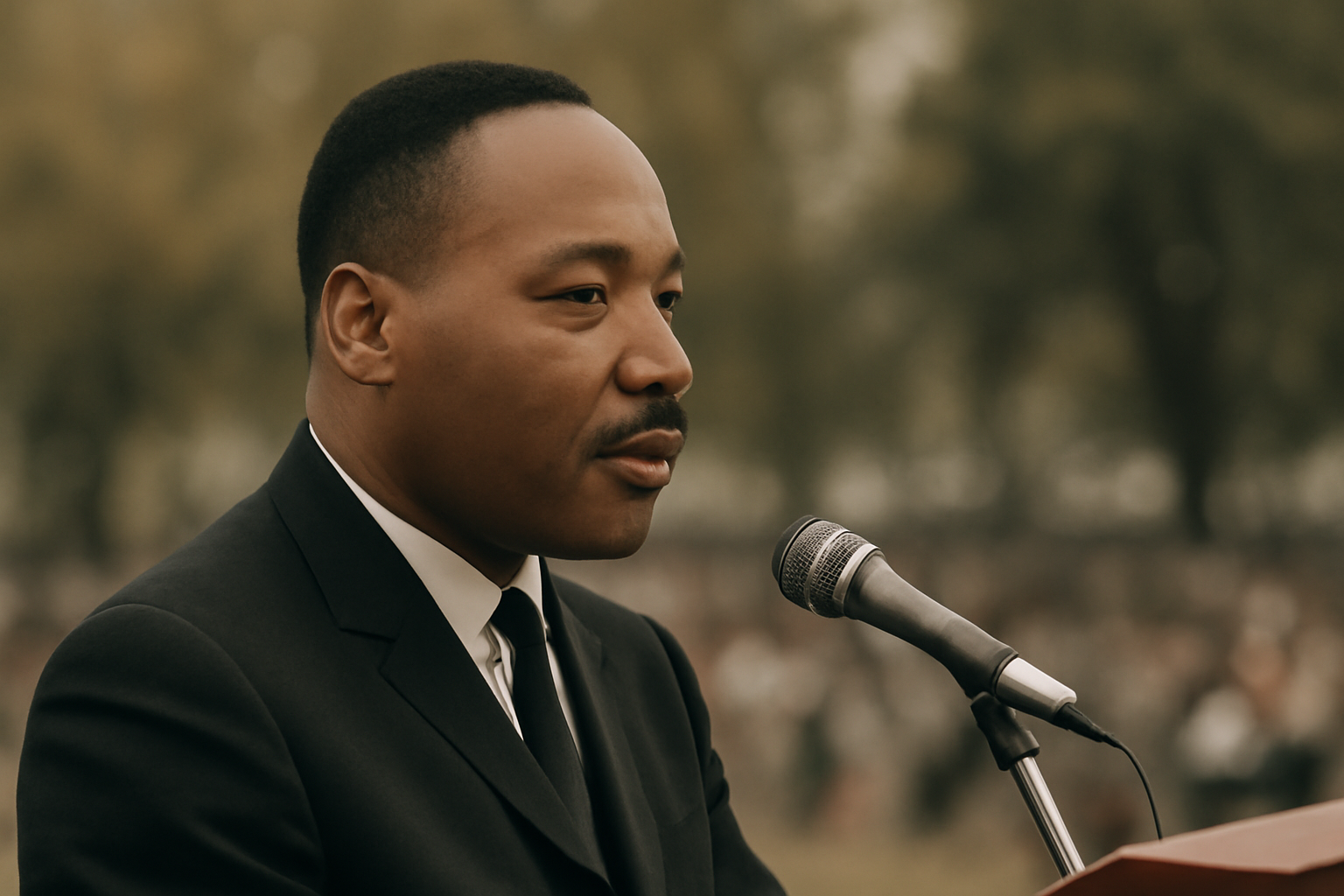
When people ask what haircut did MLK have, they are usually surprised by how simple the answer is. Martin Luther King Jr. had a short, neat, conservative men’s haircut that was common among professionals in the 1950s and 1960s. It was not flashy, not trendy, and not meant to stand out. That was exactly the point.
His hair was kept short on the sides and back, with slightly more length on top. The hair on top was natural and lightly shaped, never styled high or sculpted. There were no fades, no sharp line-ups, and no designs. The overall look was clean, balanced, and respectful.
This hairstyle matched the image MLK wanted to present to the public. He was a pastor, a leader, and a speaker who addressed the nation. His haircut helped him look serious and trustworthy at a time when appearance played a major role in how messages were received.
Don’t Miss : Mid Fade Haircut
Why People Still Ask: What Haircut Did MLK Have?
The reason people still search for what haircut did MLK have goes beyond fashion. His appearance became part of history. Every iconic image of MLK shows the same haircut. That consistency made it memorable.
For many, the question comes from curiosity. Others ask because they want to understand how grooming and appearance influenced leadership during the Civil Rights Movement. Some even ask because they want to recreate the look today.
Here are a few reasons the question remains popular:
-
MLK’s photos are used in schools, books, and documentaries
-
His haircut contrasts strongly with later Black hairstyles like Afros
-
His clean look symbolized discipline and professionalism
-
People often confuse his hairstyle with modern cuts
In a time of protests and tension, MLK’s calm appearance helped him appear non-threatening to wider audiences. That made his words harder to ignore.
What Haircut Did Martin Luther King Jr. Have? (Simple Explanation)
In simple terms, Martin Luther King Jr. had a classic short business haircut.
It can best be described as:
-
Short on the sides and back
-
Medium-short length on top
-
Evenly trimmed with scissors and clippers
-
Natural texture, no styling products
-
No fade, no taper, no sharp edges
This haircut was common among pastors, teachers, lawyers, and public speakers of that time. It was practical and easy to maintain. Most importantly, it did not draw attention away from the person speaking.
If you saw MLK today, his haircut would look plain compared to modern styles. But in his time, it represented respectability and seriousness.
The Classic MLK Haircut Explained in Detail
The MLK haircut followed traditional grooming rules of mid-20th-century America. Barbers focused on balance, cleanliness, and uniform length rather than style.
Here’s a breakdown of the haircut:
| Area | Description |
|---|---|
| Sides | Short and evenly trimmed |
| Back | Clean neckline, no fade |
| Top | Slightly longer, natural shape |
| Edges | Soft, not sharp |
| Styling | No gel or visible product |
The haircut relied on scissor-over-comb techniques rather than heavy clipper work. This gave it a softer and more natural look. The hair sat close to the head and was easy to manage.
This style also photographed well, which mattered at a time when newspapers were the main source of visual media.
Was MLK’s Haircut a Taper, Afro, or Business Cut?
This is where confusion often happens.
MLK’s haircut was not an Afro. Afros became popular later, mainly in the late 1960s and 1970s. MLK passed away before that style became widely adopted.
It was also not a modern taper or fade. Modern tapers blend the hair gradually into the skin. MLK’s haircut did not have that blending effect.
The most accurate term is a classic business haircut or conservative short cut. It followed formal grooming standards and avoided trends.
Many people mistakenly label it as a taper because of the neat sides, but true tapers look very different.
Why Did MLK Choose This Specific Hairstyle?
MLK’s haircut was a choice, not an accident. During the Civil Rights Movement, appearance played a powerful role. Leaders had to look respectable to be taken seriously by the media and political figures.
This approach is often called respectability politics. The idea was simple. If leaders looked polished and professional, it would be harder for critics to dismiss them.
MLK was also a Baptist minister. Church leaders traditionally kept conservative grooming standards. His haircut reflected that background.
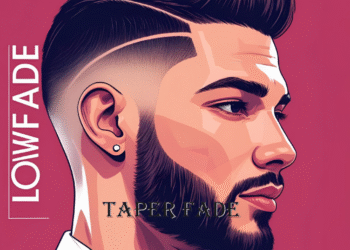
The Professional Appeal of MLK’s Low Taper Fade
As an influential public figure, MLK understood the power of appearance. His low taper fade hairstyle contributed to his professional image, allowing him to be seen as a dignified and respected leader. This haircut worked perfectly within the context of his role as a preacher, activist, and public speaker. It was modest yet powerful, making a statement without drawing unnecessary attention to itself.
What Was the Popular Men’s Haircut in the 1950s and 1960s?
To fully understand what haircut did MLK have, it helps to know what was common during his time.
Popular men’s hairstyles included:
-
Short back and sides
-
Side-parted cuts
-
Conservative professional styles
-
Military-influenced haircuts
Long hair was not socially accepted for professional men. Clean grooming was a sign of discipline and respect.
MLK’s haircut fit perfectly into this environment. It didn’t push boundaries. Instead, it allowed his words to do the work.
What Does MLK’s Low Taper Fade Tell Us About Leadership?
MLK’s low taper fade tells us that effective leadership is not about outward flamboyance, but about projecting a composed and consistent image. His hairstyle was reflective of his belief that leaders should lead by example, showing humility and self-discipline. This resonates with modern leadership models, which emphasize professionalism, humility, and respect.
How to Ask Your Barber for the MLK Haircut Today
If you want a haircut inspired by MLK, clarity is important. Many barbers today are trained in modern fades and sharp styles.
Here’s what to say:
-
Ask for a classic short business haircut
-
Request short sides and back with no fade
-
Keep the top natural and lightly shaped
-
Avoid sharp line-ups or designs
-
Ask for a soft neckline, not a skin fade
This haircut works best for people who want a clean, low-maintenance look. It suits professional settings and formal environments.
Was MLK’s Hairstyle Part of His Leadership Image?
Yes, absolutely.
MLK’s appearance supported his leadership. His calm grooming matched his calm tone. It helped reinforce his message of peace and dignity.
Leaders are judged visually before they speak. MLK understood that. His haircut helped him appear composed, trustworthy, and serious.
Final Thoughts on What Haircut Did MLK Have
So, what haircut did MLK have?
He wore a short, clean, conservative business haircut that reflected discipline, professionalism, and focus. It was not meant to impress. It was meant to support his message.
That haircut became part of history, not because it was stylish, but because the man wearing it changed the world. Martin Luther King Jr.’s low taper fade hairstyle was more than just a fashion statement it was an integral part of his image as a dignified and disciplined leader.
The simplicity and elegance of his haircut reflected his personality and the values he championed throughout the Civil Rights Movement. Today, his low taper fade remains a timeless symbol of professionalism, leadership, and respect.
FAQs
What is a low taper fade haircut?
A low taper fade is a hairstyle where the hair gradually shortens from the top of the head to just above the ear, creating a clean, polished look.
Why did MLK choose the low taper fade?
MLK’s low taper fade hairstyle reflected his commitment to professionalism, discipline, and leadership, contributing to his image as a respectable figure.
How does MLK’s low taper fade compare to other hairstyles of the era?
Unlike more expressive hairstyles like the Afro, MLK’s low taper fade was a modest and polished choice that aligned with his professional image and leadership style.
How did MLK’s haircut contribute to his public image?
MLK’s low taper fade reinforced his dignified and disciplined public persona, helping to convey authority and respect while supporting his message of non-violence and unity.